


Who are the heroes of the tale?


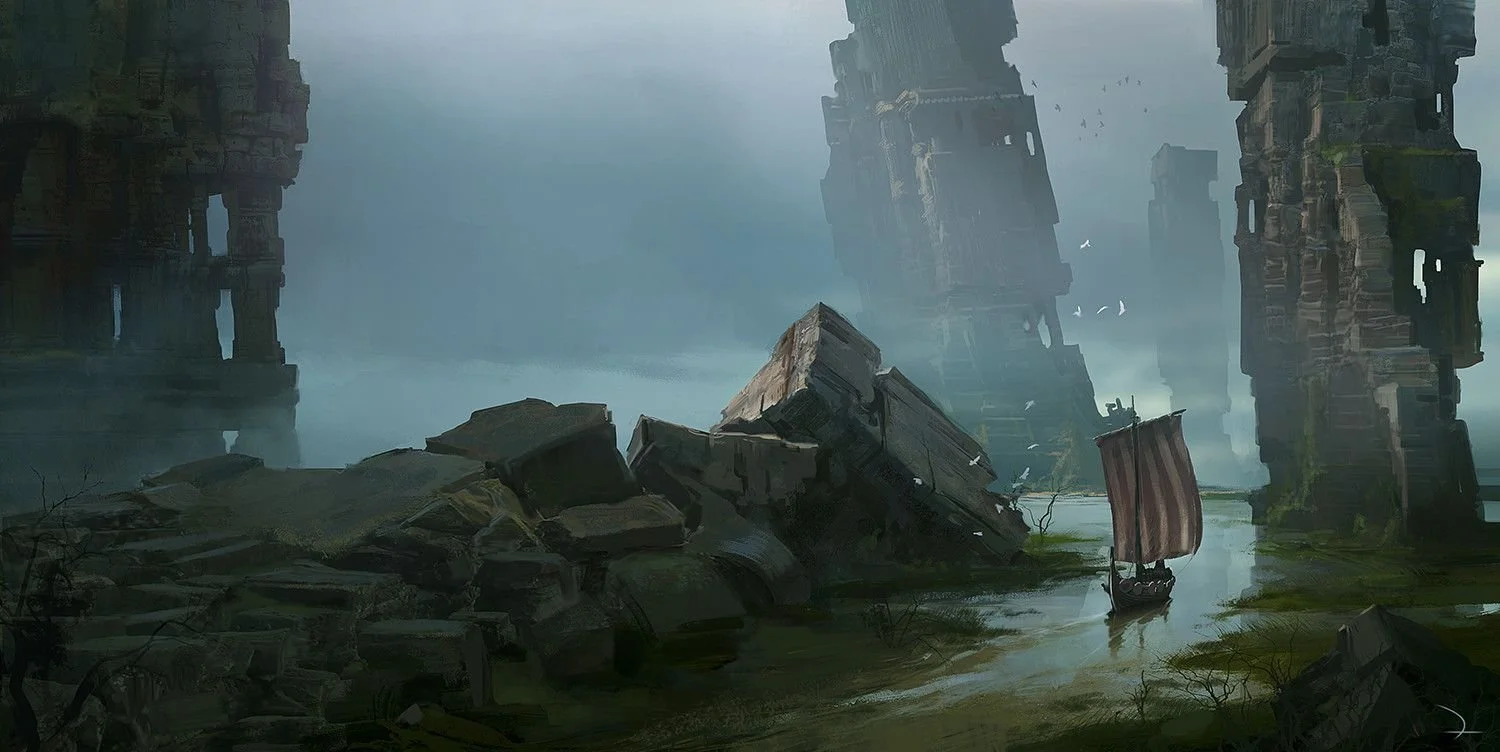
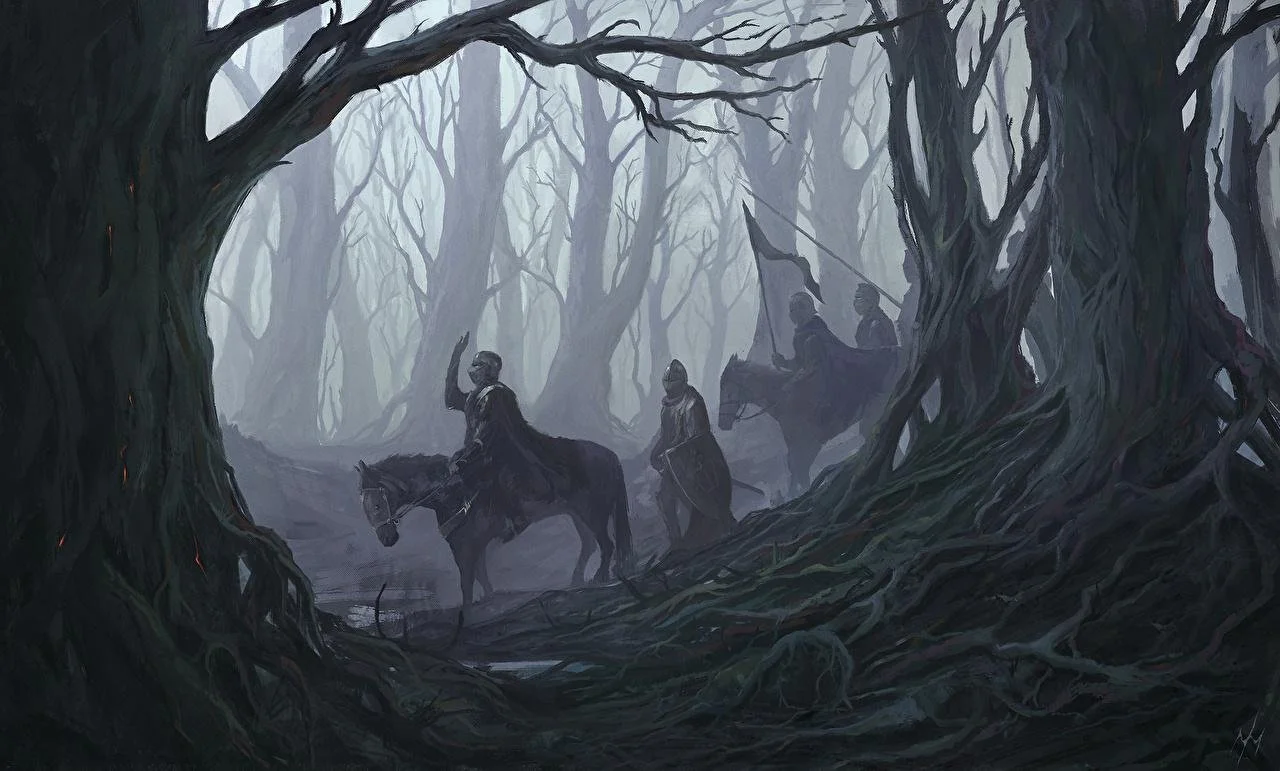

The Four Friends
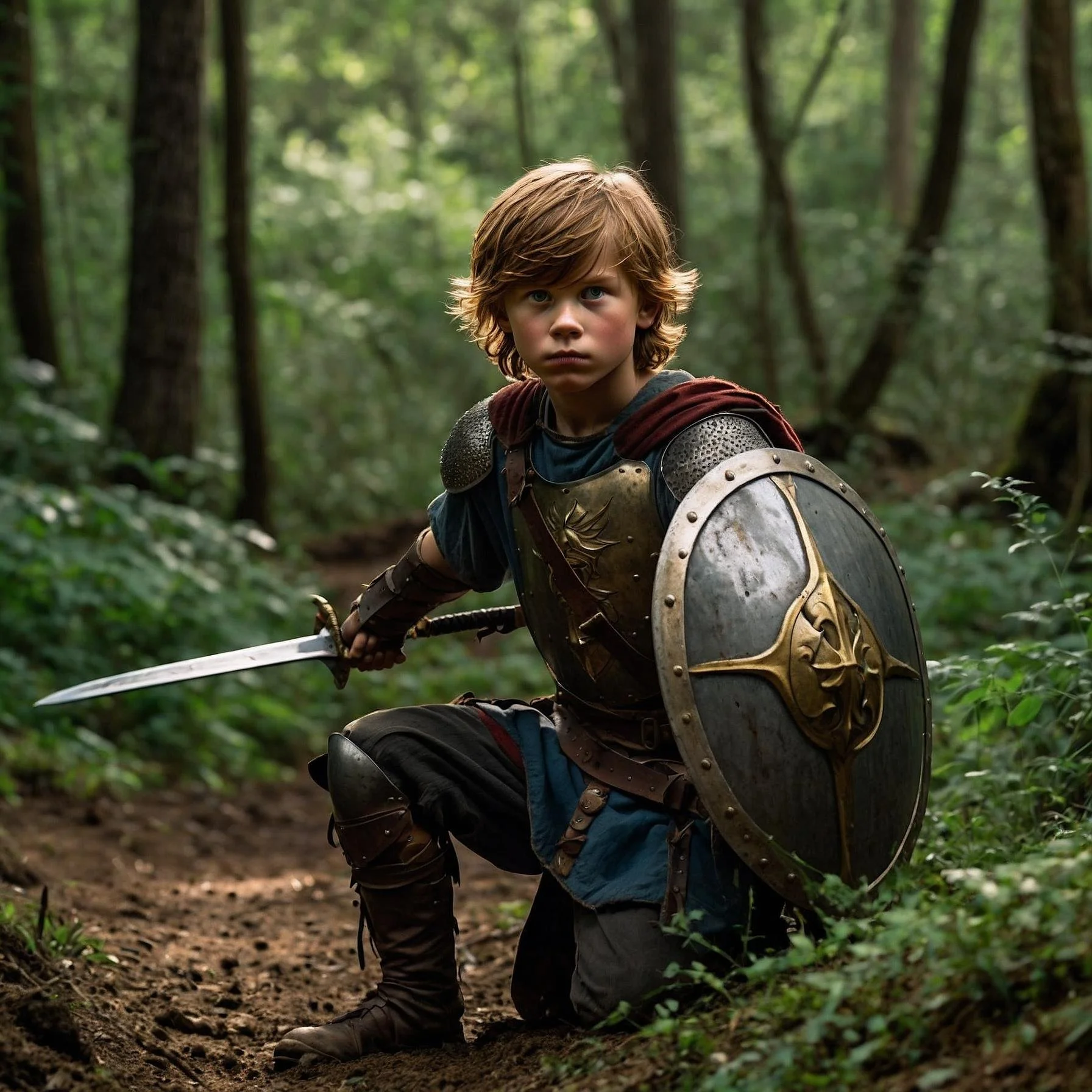
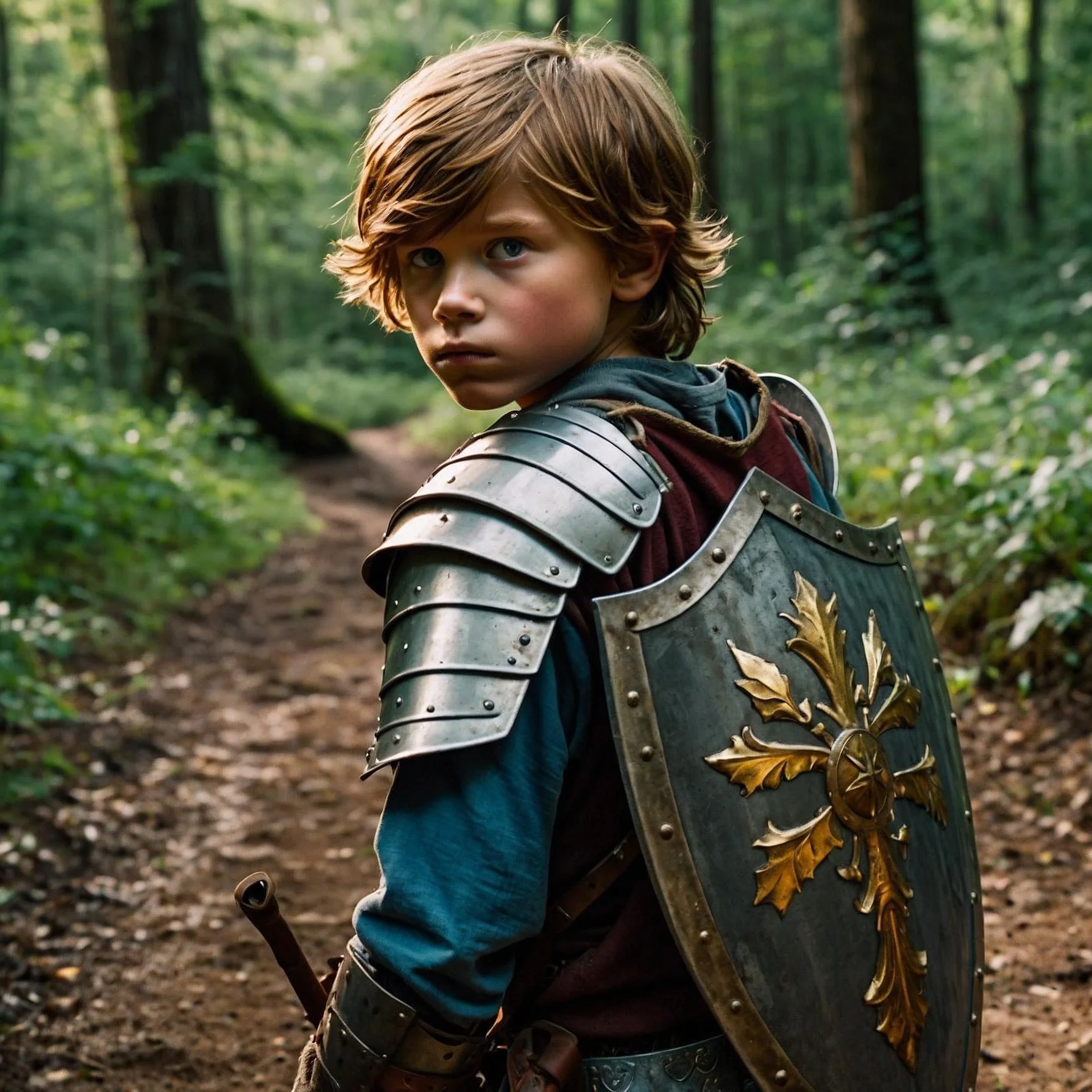
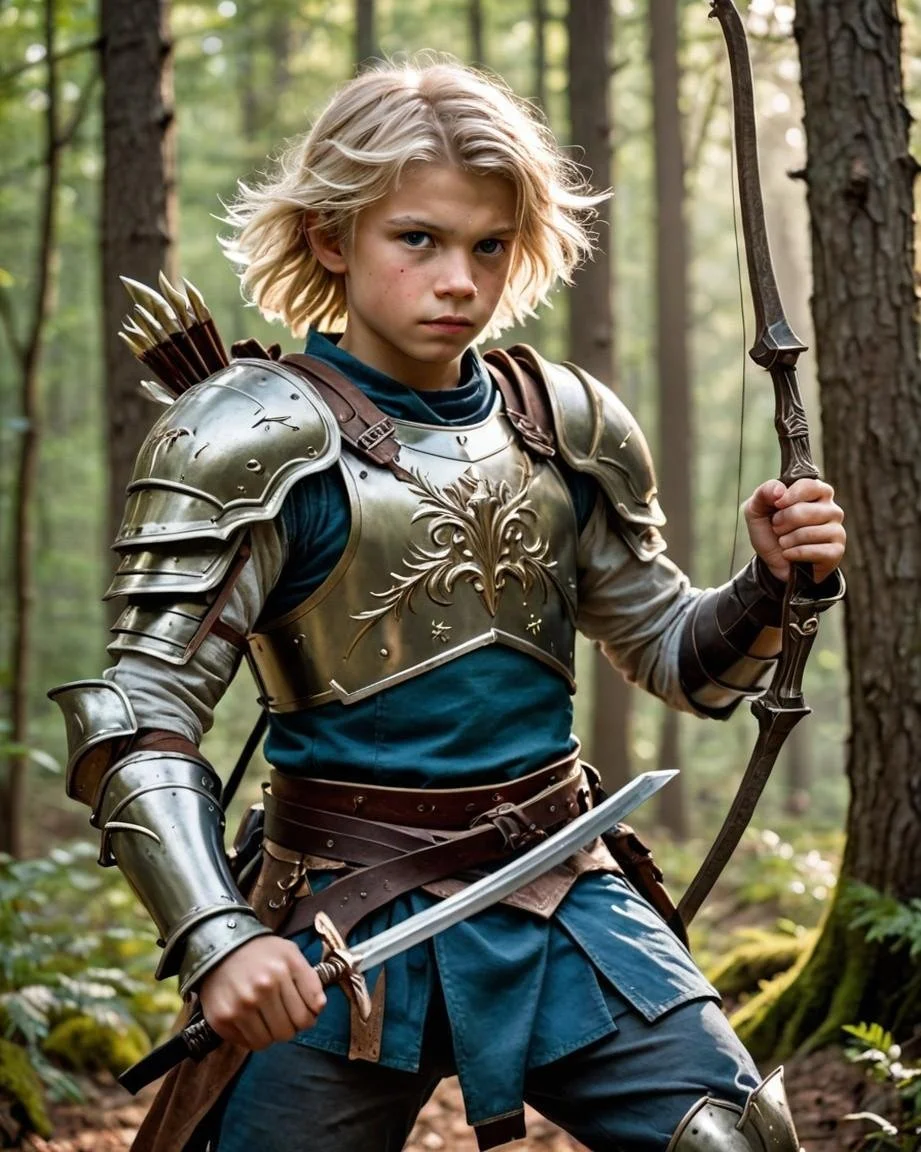
Kyle
Role in the Story
Kyle is the spark that ignites everything. He is the first to leap, the first to challenge, the first to believe Lapidius is meant for him—and the first to fall out of love with it when the truth becomes heavy. His energy drives the group forward, sometimes into danger, sometimes into greatness. Kyle is the cadet who wants to be a hero, but must learn what heroism actually costs. His arc is one of ambition, disillusionment, and eventual clarity.
Core Traits
Bold and restless: Kyle thrives on challenge. If there’s a mountain, he climbs it; if there’s a rule, he tests it.
Charismatic: Others follow him even when they shouldn’t. His confidence is magnetic.
Imaginative: His mind is full of glory, grandeur, and the stories he wants to live out.
Impulsive: He acts before thinking, speaks before listening, and regrets only after the dust settles.
Deeply loyal: Beneath the bravado, he would die for his friends without hesitation.
Struggling with identity: Kyle wants to be great, but he doesn’t yet know what greatness truly is.
Symbolic Role
Kyle represents the fire of youth—the desire to prove oneself, to be seen, to matter. He is the metaphorical spark that can either light the way or burn the path. His journey is about learning to temper passion with wisdom, and discovering that leadership is not about being first, but being faithful.
Key Relationships
Joey: Kyle sees Joey as both rival and brother. Joey’s steadiness frustrates him, but also anchors him.
Maisie: Their dynamic is a clash of wills—her sharp honesty cuts through his bravado, and he respects her for it.
Skelley: Kyle pushes Skelley harder than he should, but he also protects him fiercely.
Brian: Kyle’s confidence overwhelms Brian at times, yet Kyle becomes unexpectedly protective of him.
Logan: Kyle admires Logan’s quiet strength, even if he doesn’t always understand it.
Notable Moment
“Don’t worry. It’ll work out,” Kyle touted. He believed it. Glory and grandeur filled his imagination, along with a strange, growing passion he couldn’t yet name.
This moment captures him perfectly—confident, hopeful, and standing on the edge of a story he doesn’t yet understand.
Lucas
Role in the Story:
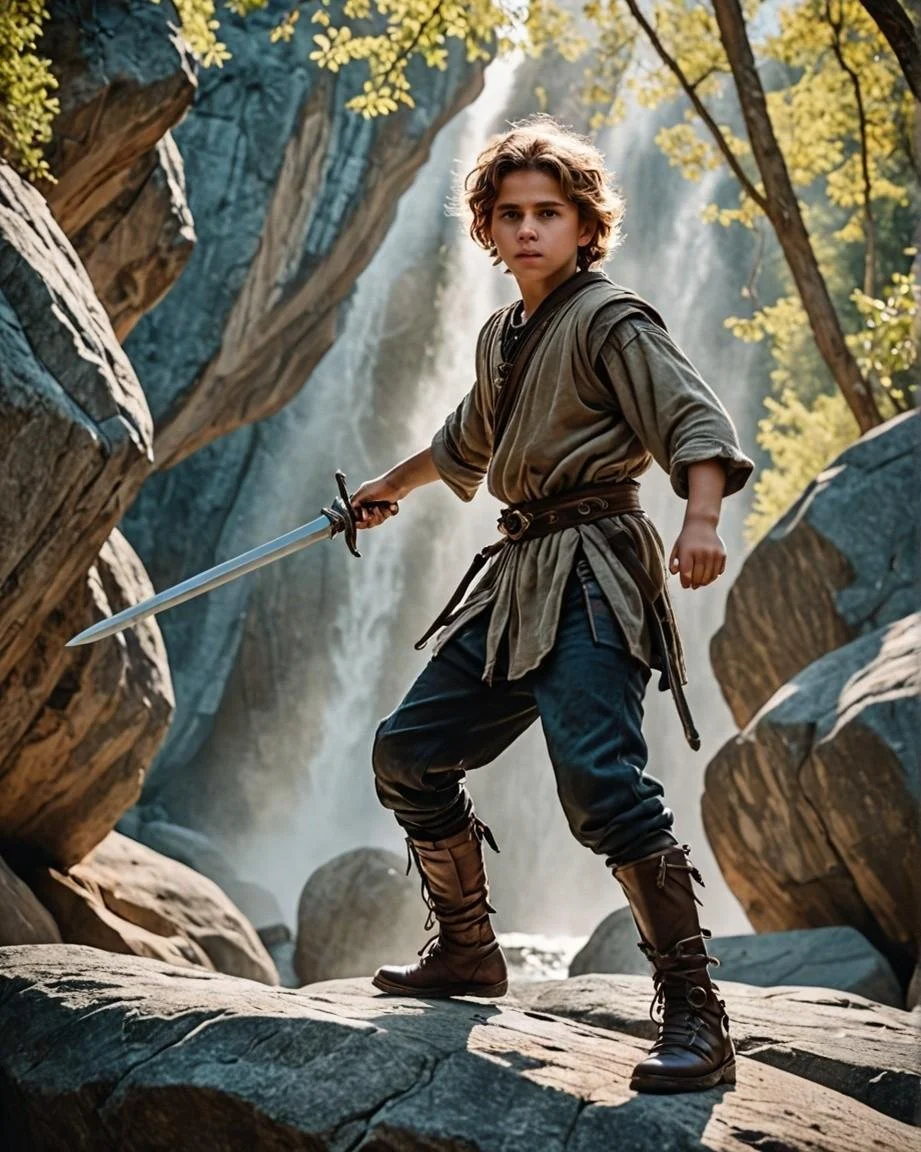
Lucas is the quiet compass of Lapidius—the boy who stands just behind the others, watching, listening, understanding more than he ever says aloud. Though physically the smallest of the group, he carries a depth of compassion and insight that often steadies the others when they falter. His presence is subtle but essential; he is the friend who notices the wound before it bleeds, the fear before it breaks someone, the hope before it fully forms.
Core Traits
Perceptive beyond his years: Lucas sees emotional truths others miss. He reads people with startling clarity.
Gentle but unyielding: His kindness is not weakness; it is a quiet strength that refuses to abandon anyone.
Instinctively compassionate: He feels deeply and loves fiercely, even when he doesn’t understand why.
Courage in small steps: Lucas rarely charges forward, but he never steps back when someone needs him.
Self‑doubting: He often underestimates his own worth, unaware of how vital he is to the group.
Symbolic Role
Lucas represents the strength of the overlooked—the truth that greatness often comes in small, unassuming forms. He is the metaphorical ember: small, glowing, easily missed, yet capable of igniting courage in others. His arc is about discovering that his heart—his empathy, his loyalty, his quiet wisdom—is not a side trait but a calling.
Key Relationships
Joey: Lucas admires Joey’s steadiness and often confides in him. Their bond is brother‑deep, built on shared grief and mutual respect.
Maisie: She teases him, but she trusts him. Lucas is one of the few who can soften her sharp edges with a single honest look.
Kyle: Kyle’s intensity both intimidates and inspires him. Lucas wants to be brave like Kyle, even as Kyle learns gentleness from him.
Brian: Lucas feels protective of Brian, sensing his fears instinctively. Their friendship is tender and understated.
Skelley: Lucas and Skelley share a quiet understanding—two boys who feel deeply and love loyally.
Notable Moment
“He loved Lapidius. The life it gave him,” Lucas whispered, a single tear slipping down his cheek. “He always said he was given this life for a reason. I hope that’s true for all of us.” In that moment, Joey saw it—the courage it took for Lucas to keep going.
This moment captures Lucas perfectly: grieving, honest, and braver than he knows.

Joey
Role in the Story:
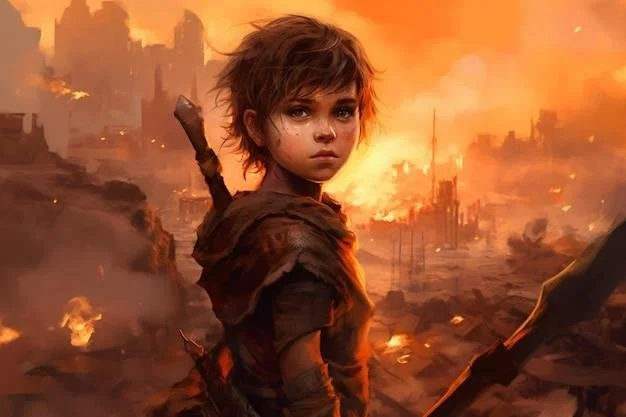
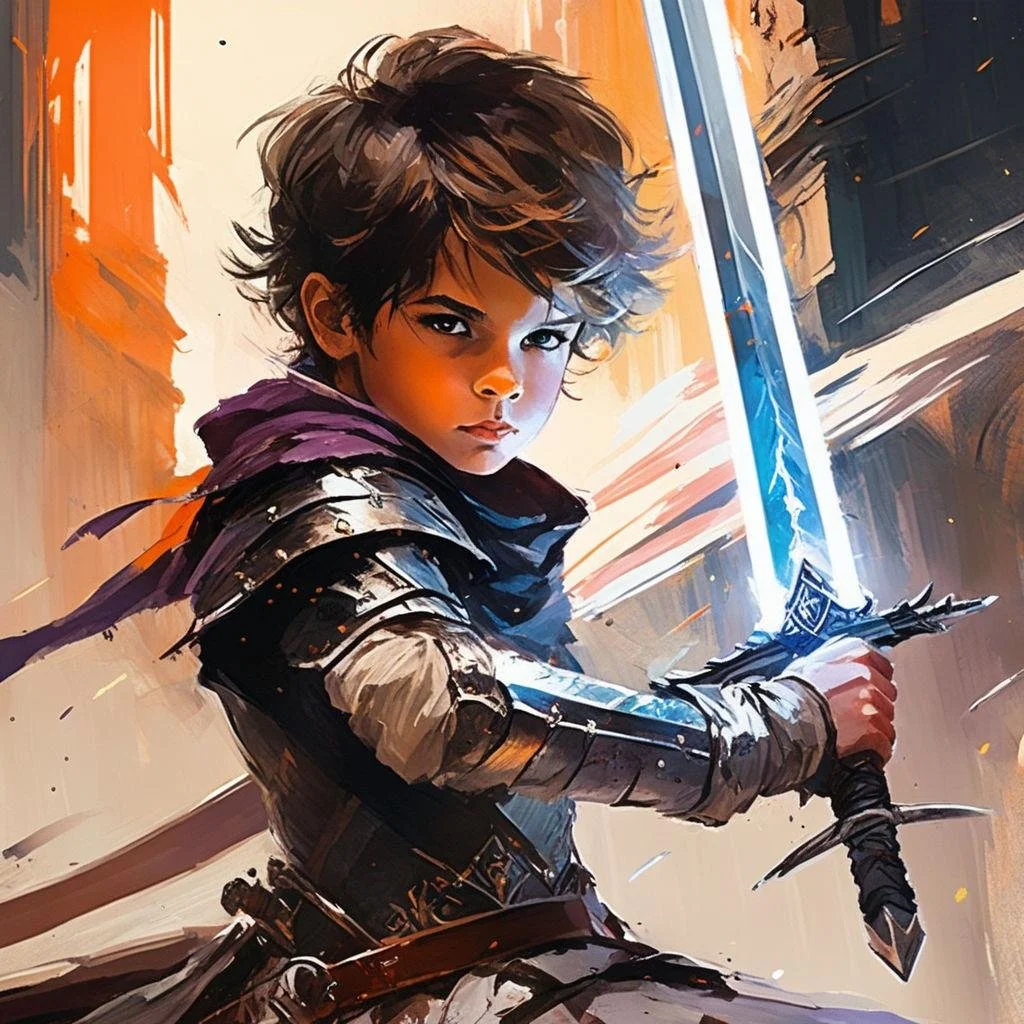
Joey is the steady center of Lapidius—the boy who never asked to lead, never sought greatness, and yet becomes the one others instinctively follow. His journey is not about discovering power, but about accepting responsibility. He is the cadet who stands in the gap, even when he’s exhausted, confused, or afraid. Joey’s arc is the emotional spine of the trilogy: the transformation of an ordinary boy into the Archegos, the one who blazes the trail when there is none.
Core Traits
Humble to a fault: Joey never assumes he’s the strongest or the smartest; he simply does what must be done.
Steadfast and loyal: His loyalty is quiet but immovable. He stays when others would walk away.
Courage born from compassion: Joey’s bravery is never about glory—it’s about protecting the people he loves.
Burdened by uncertainty: He often questions what is real, what is expected of him, and whether he belongs in this world of monsters and monuments.
Instinctively self‑sacrificing: When danger rises, Joey steps forward before he even realizes he’s moved.
Symbolic Role
Joey represents the reluctant chosen one—the boy who doesn’t believe he’s ready, yet is chosen precisely because of his humility and heart. He is the metaphorical river crossing: the place where fear meets calling, where the boy becomes the leader. His arc is about learning that courage isn’t the absence of fear, but the decision to move anyway.
Key Relationships
Maisie: She sharpens him, steadies him, and sees the strength he hides. Their bond is built on honesty and mutual respect.
Kyle: Kyle’s fire pushes Joey to grow, and Joey’s steadiness tempers Kyle’s intensity.
Skelley: Skelley’s loyalty touches Joey deeply; Joey feels responsible for him in a brotherly way.
Brian: Joey’s gentleness gives Brian courage. Their friendship is quiet, healing, and deeply human.
Logan: Joey sees Logan’s potential long before Logan does. Their friendship becomes a shared journey toward identity and purpose.
Notable Moment
“There she is,” Joey said, spotting Maisie atop the fallen tree. He wanted nothing more than a shower and a bed, but he stayed with his friends. After what he’d seen, he wanted no part of another battle—but he stayed.
This moment captures him perfectly: exhausted, shaken, unsure—and still choosing to stand with his people.
Brian
Role in the Story
Brian is the quiet tremor in the group—the boy who tries hardest to stay unnoticed, yet somehow becomes the hinge on which moments turn. He doesn’t seek adventure, glory, or recognition. He wants safety, predictability, and a place where no one is looking at him. But Lapidius has other plans. Through fear, friendship, and unexpected courage, Brian becomes the reluctant witness to greatness—and eventually, a participant in it.
Core Traits
Timid but observant: Brian notices everything—the tone of a commander’s voice, the shift in a friend’s posture, the danger others overlook.
Anxious but earnest: His fear is real, but so is his desire to do right.
Soft‑spoken: He rarely raises his voice, but when he does, it matters.
Deeply empathetic: Brian feels the emotions of others almost as strongly as his own.
Growing courage: His bravery doesn’t roar—it trembles, steps forward anyway, and surprises everyone.
Symbolic Role
Brian represents the child who believes he is small, yet whose presence shapes the emotional landscape of the group. He is the metaphorical echo—quiet, easily overlooked, but carrying truth farther than anyone expects. His arc is about discovering that fear does not disqualify him from courage; it prepares him for it.
Key Relationships
Kyle: Brian looks up to him, even when Kyle’s intensity overwhelms him. Kyle, in turn, becomes fiercely protective of Brian.
Joey: Joey’s kindness gives Brian space to breathe. Their friendship is gentle, steady, and healing.
Maisie: She teases him, but she also defends him. She sees the good in him even when he hides it.
Chase: Brian admires Chase’s confidence and wants to be braver because of him.
Logan: Brian senses Logan’s quiet strength and gravitates toward it, finding comfort in someone who understands what it means to feel small.
Notable Moment
The lion moved closer, sniffing him. Brian froze, unsure whether to run or cry. He had never been this close to such a creature. But when Aldred smiled, Brian swallowed hard and stayed where he was. It was the first time he chose courage over fear.
This moment captures Brian perfectly—terrified, trembling, but choosing to stay.

Two plus one
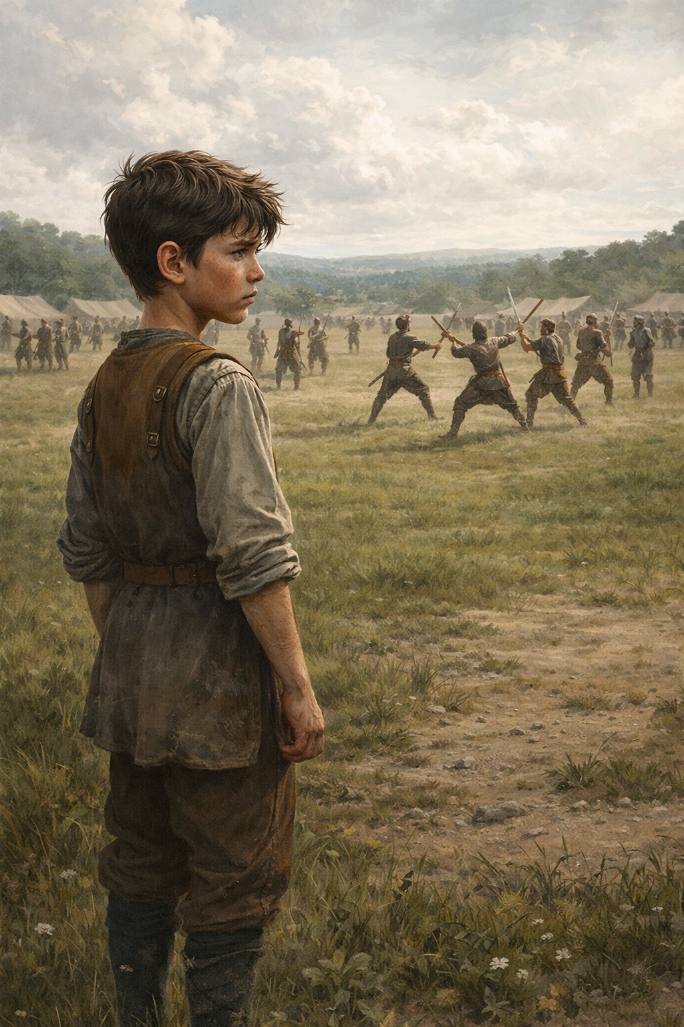
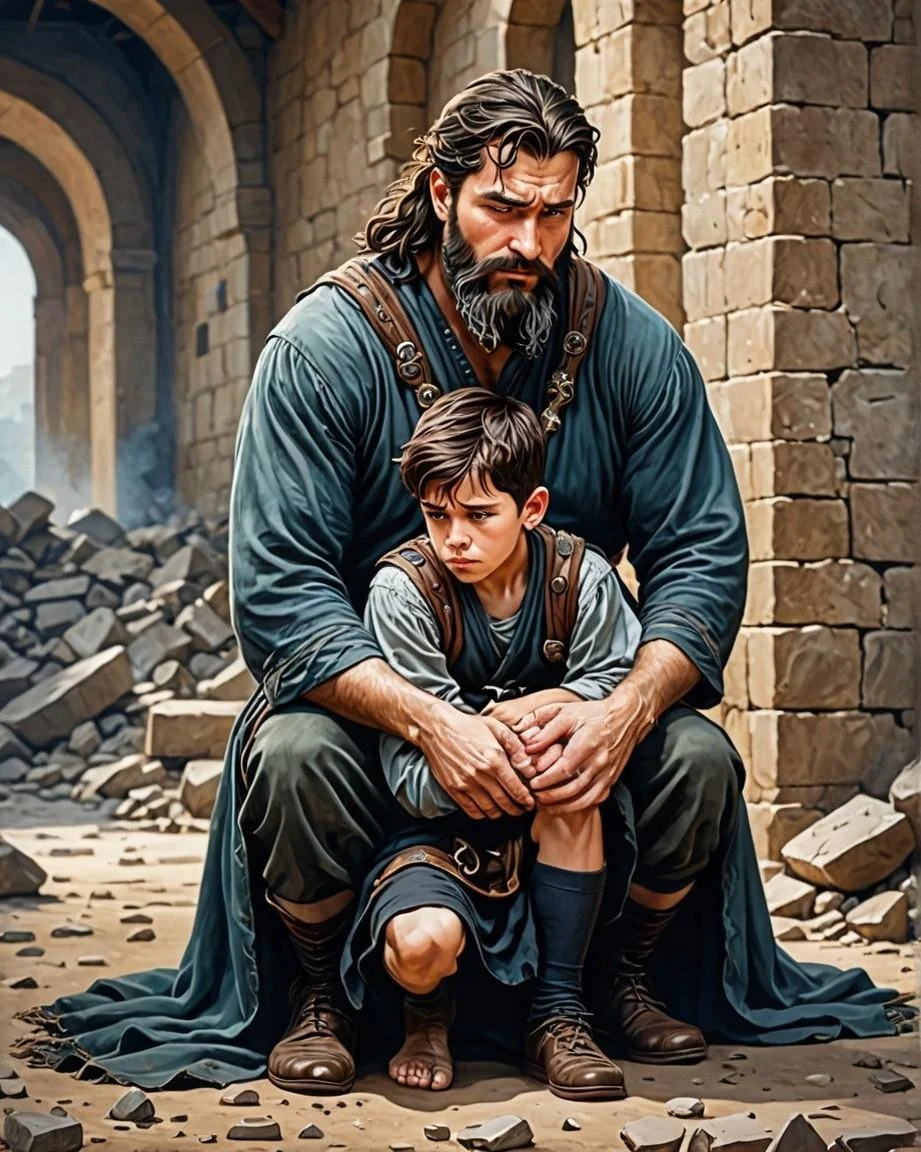
Chase/Logan
Role in the Story: Logan is the thread woven through the heart of A Nation Found. Though not the loudest or the boldest, he carries a legacy that others sense but he struggles to believe. His journey is one of awakening—learning that strength isn’t earned by bravado, but received through grace, loyalty, and the quiet courage to belong. Chase is Logan. Logan is the adopted name Aldred gives to him :)
Core Traits:
Reserved but perceptive: Logan often watches before he speaks, absorbing more than others realize.
Burdened by legacy: Adopted by Aldred, he carries the weight of a name and a promise he doesn’t feel worthy of.
Spiritually attuned: He’s drawn to the Monuments, the Stones, and the deeper truths of Novum Albion.
Loyal to the core: Though hesitant to ask for help, he would never abandon those he loves.
Transforming through trust: His arc is about learning to receive—friendship, strength, and identity—not just earn them.
Symbolic Role: Logan represents the child who doubts he belongs, yet is chosen anyway. His presence reminds others that strength can be quiet, and that the deepest battles are often internal. He is the metaphorical river—winding, persistent, reshaping the land as he flows. He is also one of my favorite characters to write about. His adoption account is a metaphor of what so many children need these days- a father figure. Importantly, his character symbolizes the younger generation- overwhelmed.
Key Relationships:
Aldred: His adoptive father and spiritual guide, who sees greatness in Logan before Logan sees it himself.
Maisie: Challenges him, teases him, and ultimately helps him step into his own voice.
Joey: A mirror of courage and vulnerability, whose friendship helps Logan believe he’s not alone.
Notable Moment:
“Nothing I did made me deserve such a gift. The Stones convinced me, taught me what this new life gave me, and so did Aldred, and so did Elrion.”
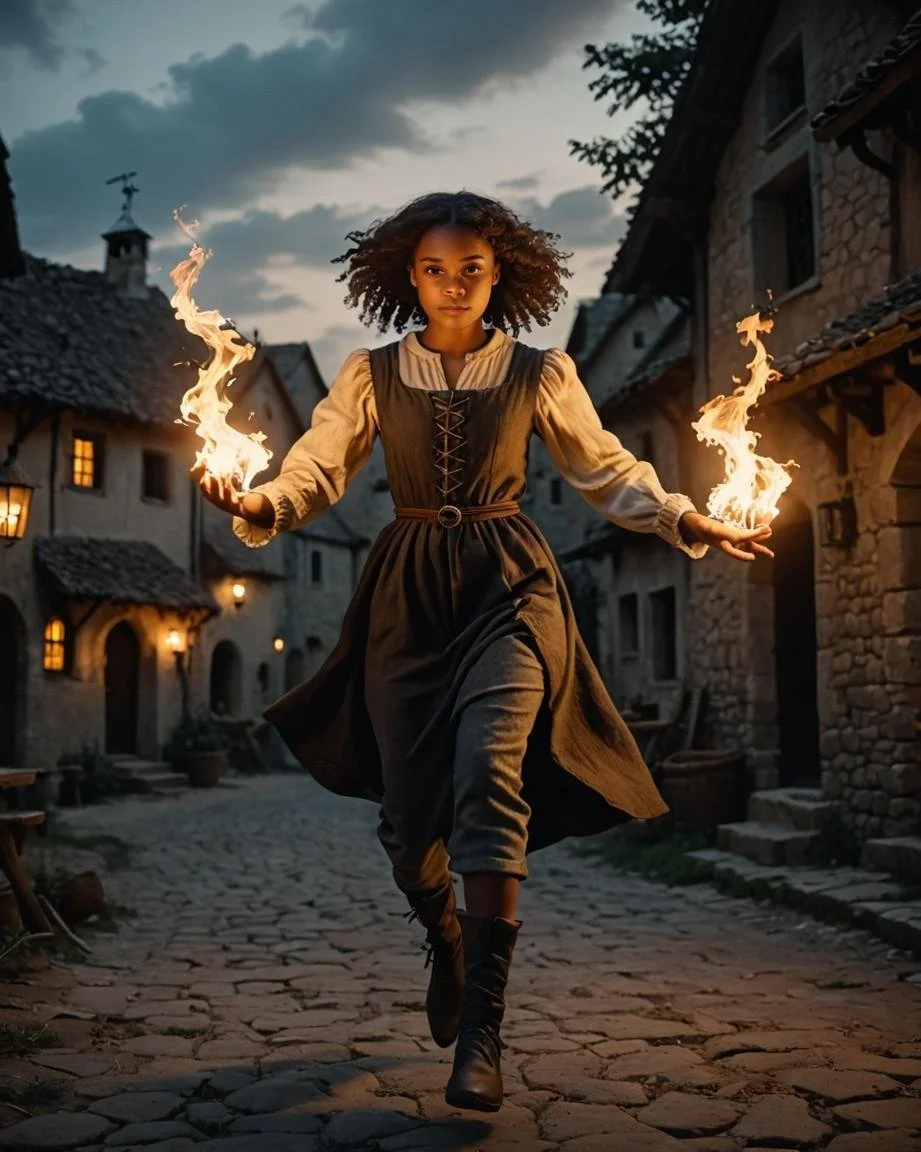

Maisie
Role in the Story: Maisie is the spark that steadies and provokes. She’s the one who sees through bravado, calls out weakness, and yet remains fiercely loyal to those she loves. Her presence in A Nation Found is both grounding and galvanizing—she’s the voice that reminds the boys who they are, and the force that pushes them to become more.
Core Traits:
Sharp-witted and unflinching: Maisie doesn’t sugarcoat truth. Her teasing is a shield, her insight a blade.
Quietly brave: She doesn’t seek attention, but she never backs down.
Emotionally perceptive: She reads the room, the people, and the silences between them.
Fiercely loyal: Her loyalty is earned and unshakable. Once she chooses someone, she defends them with everything.
Symbolic of clarity: She cuts through confusion, whether in battle, banter, or belief.
Symbolic Role: Maisie is the flame—warm, illuminating, and sometimes scorching. She represents the voice of conscience, the challenge of growth, and the beauty of chosen family. Her arc is one of transformation: from the girl who guards herself with sarcasm to the young woman who leads with conviction. She is also the young lady who represents so many young females I have taught and trained. There is a fire within the younger, female generation. They desire to work hard but might be unsure how to build companionship.
Key Relationships:
Joey: A quiet bond of mutual respect and emotional depth. They challenge and steady each other.
Kyle: A tension of wills—he pushes, she resists, but they both care deeply.
Chase and Brian: She teases them mercilessly, but they know she’s the heart of the group.
Logan: She sees his strength before he does, and helps draw it out.
Notable Moment:
“Girls can be silly because we choose to be. You boys are born dumb and need us to direct your ways.” She didn’t know it, but she was smiling.
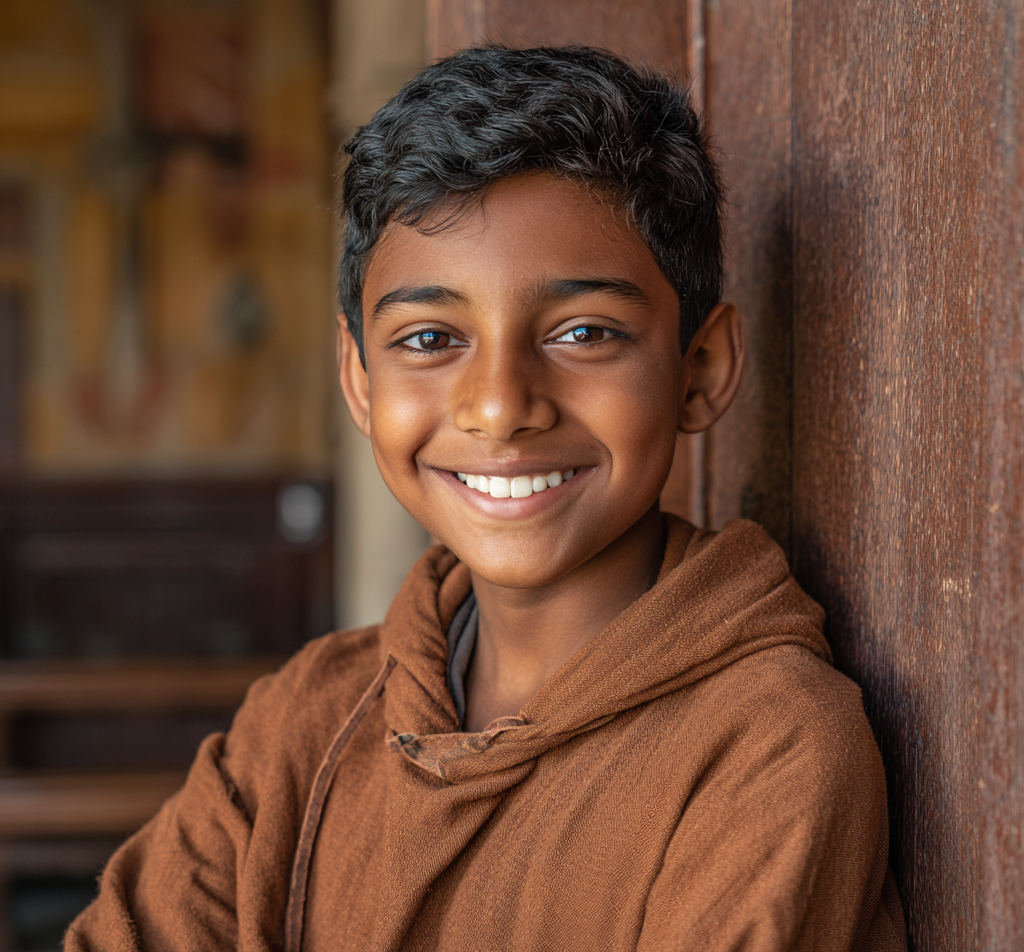
Skelley
Role in the Story
Skelley is the side character and shield of the group—the boy who steps forward even when he’s trembling. He isn’t the strongest, the fastest, or the loudest, but he is the one who moves first when someone he loves is in danger. His courage is instinctive, almost reflexive, born not from pride but from compassion. In A Nation Found, Skelley becomes the emotional anchor of the cadets, the one who reminds them what they’re fighting for.
Core Traits
Earnest and loyal: Skelley’s loyalty is immediate and wholehearted. Once he calls someone a friend, he means it.
Quietly brave: He doesn’t posture or boast—his bravery appears in the moment of crisis.
Empathetic: He feels deeply, often more than he lets on, and senses the emotional undercurrents others miss.
Self‑sacrificing: His first instinct is to protect, even at personal cost.
Steadying presence: He grounds the group, especially when tensions rise.
Symbolic Role
Skelley represents the courage of the ordinary kid—the one who doesn’t believe he’s special, yet becomes indispensable. He is the metaphorical bridge across the river: the one who holds others up, even when the current threatens to sweep him away. His arc is about discovering that gentleness and bravery are not opposites but partners.
Key Relationships
Joey: Skelley’s protective instincts shine brightest around Joey. Their bond is brother‑deep, forged in fear and loyalty.
Maisie: She teases him, but she trusts him. He is one of the few who can soften her sharp edges.
Kyle: Kyle pushes him, challenges him, and sometimes frustrates him—but he also believes in Skelley’s potential.
Logan: Skelley sees Logan’s quiet strength and respects it, often stepping in to support him without being asked.
Notable Moment
“Joey!” Skelley shouted, throwing himself between his friend and the Dragonsmiter. He shut his eyes and whispered a final prayer as rows of teeth bore down on them. Even then, he tried to shield Joey with his own body.
This moment defines him: terrified, trembling—and utterly unwilling to abandon a friend.

A trusted friend and the others
Aldred
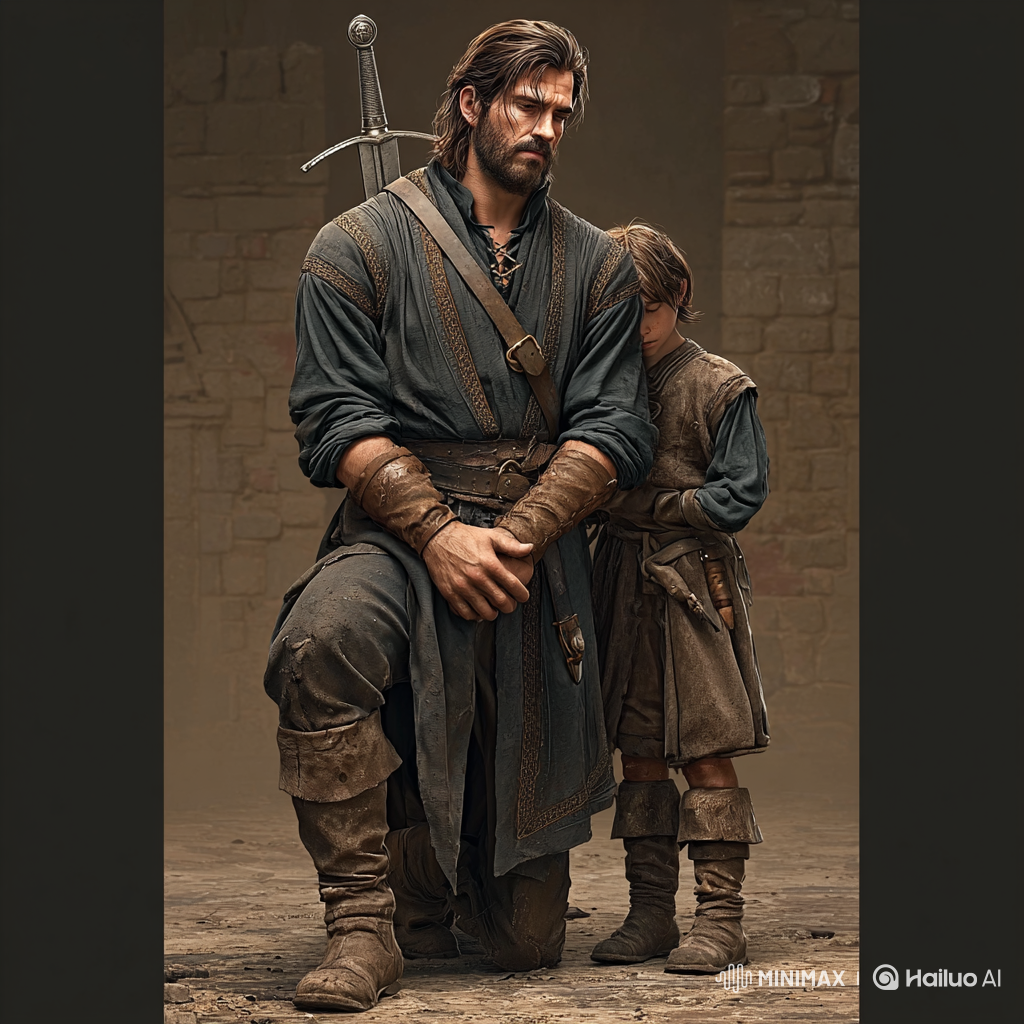
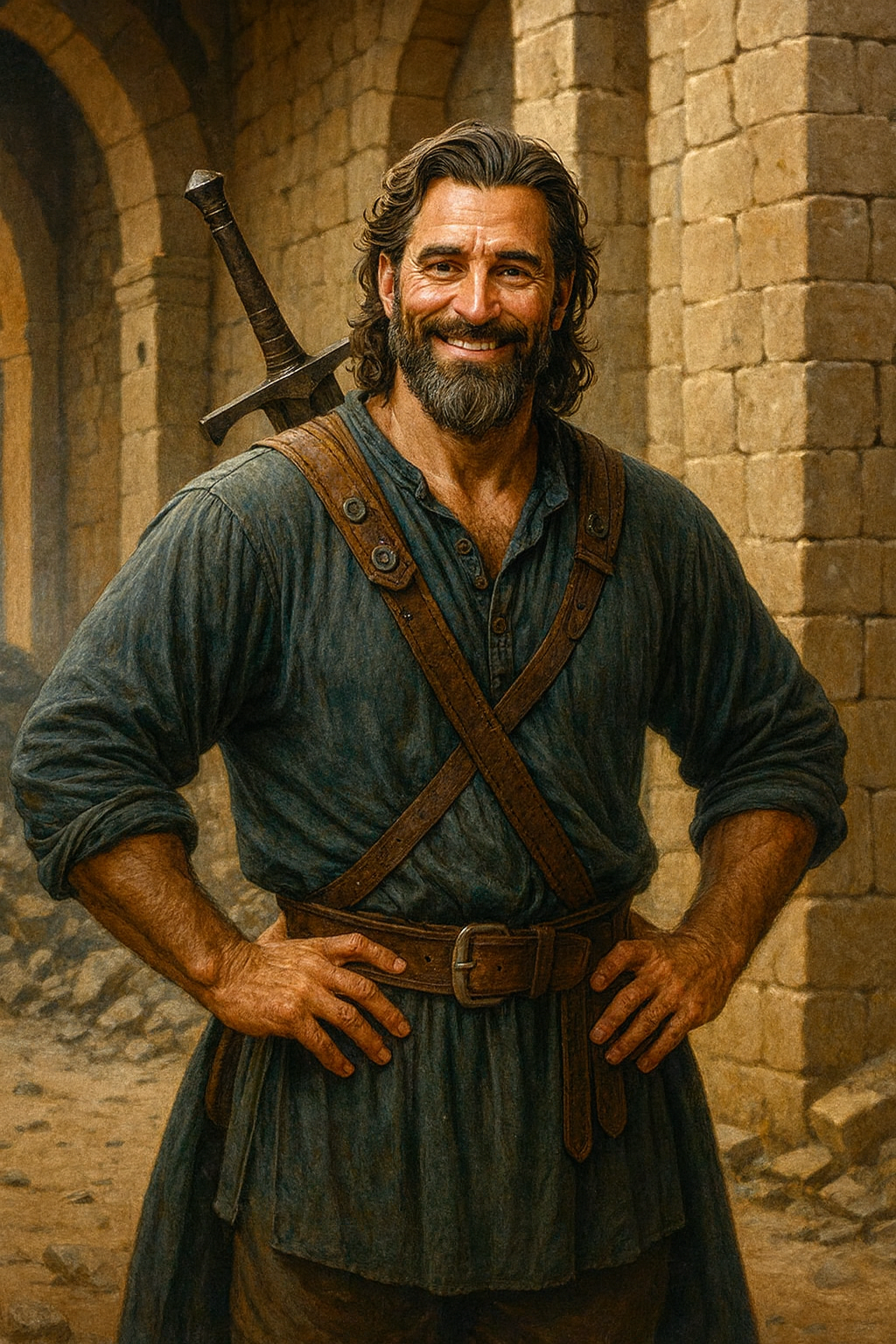
Role in the Story
Aldred is the moral and spiritual anchor of A Nation Found. Once a commander of renown, he now carries himself with the humility of a man who has seen too much war and too much loss. His leadership is not loud; it is lived. He is the guardian of the Griffin Unit, the adoptive father of Logan, and the mentor whose presence shapes the cadets more deeply than they realize. Aldred embodies the ancient strength of Novum Albion—rooted, steady, and sacrificial.
Core Traits
Steadfast and principled: Aldred’s convictions do not waver. He stands where others falter.
Gentle authority: He commands without raising his voice; his presence alone inspires discipline.
Deeply compassionate: Beneath the armor is a man who feels deeply and loves fiercely.
Burdened by memory: He carries the weight of battles past, friends lost, and promises made.
Spiritually grounded: The Standing Stones, the Maker, and the ancient traditions of Lapidius shape his worldview.
Father-hearted: His greatest victories are not on the battlefield, but in the lives he shepherds.
Symbolic Role
Aldred represents the guardian archetype—the man who stands between the innocent and the darkness. He is the metaphorical mountain stronghold: immovable, protective, carved by time and trial. His arc is not about discovering strength, but about passing it on. He is the bridge between the old world and the new, the one who teaches the cadets what it means to belong, to fight, and to hope.
Key Relationships
Logan: His adopted son, his pride, and the reminder that redemption is possible. Aldred sees greatness in Logan long before Logan sees it in himself.
Joey: Aldred recognizes Joey’s calling before Joey does. He guides him gently, never forcing, always inviting.
Maisie: He respects her fire and sees in her the makings of a leader.
Kyle: Aldred tempers Kyle’s impulsiveness with wisdom, teaching him that passion must be guided.
Eliron: His closest spiritual counterpart—together they shepherd the hearts of the cadets.
Kilrin: His closest battle-brother, whose memory shapes Aldred’s grief and resolve. The two are nearly inseparable.
Notable Moment
“Where I’m from and my hometown are two different places,” Aldred said softly. “Lapidius is my home now. It was as if I discovered a nation that had been forgotten. And now I found a nation worth discovering.”
This moment captures Aldred’s essence: a man who has chosen purpose over comfort, legacy over ease, and fatherhood over fame.Core Traits:

Kilrin
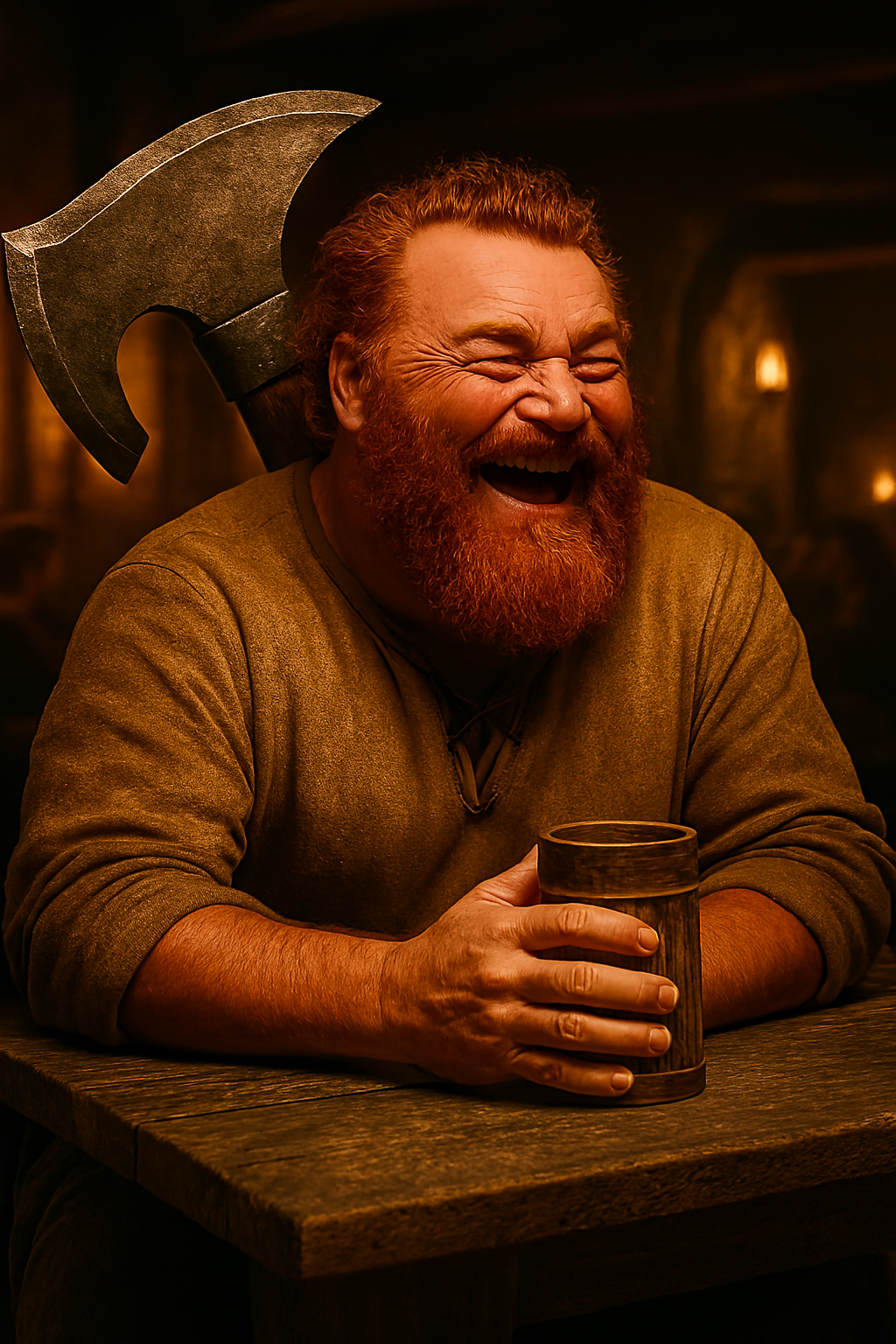
Role in the Story
Kilrin is the legend who never fully leaves the page. He is the warrior whose strength was unmatched, whose loyalty was absolute, and whose sacrifice carved a wound into the heart of Lapidius's followers. He becomes Logan's uncle and steadies the young man as he grows up. Unit once was, and the silent standard by which Aldred measures every cadet.
Core Traits
Towering strength: Kilrin was physically imposing, a man built like the mountains he defended.
Unshakeable loyalty: His devotion to Aldred and the Griffin Unit was absolute.
Quiet humor: Beneath the armor and the axe, he carried a warmth that disarmed even the most hardened soldiers.
Instinctive protector: He placed himself between danger and his brothers without hesitation.
Self‑sacrificing: His final act was one of pure devotion — a choice that saved others at the cost of himself.
Symbolic Role
Kilrin represents the cost of courage. He is the metaphorical broken dam — the moment when overwhelming force meets immovable loyalty, and something must give. His death is not just a backstory; it is the emotional tectonic plate beneath Aldred’s life, shaping every decision Aldred makes, every cadet he trains, every warning he gives. Kilrin is the embodiment of the truth that heroism is beautiful, but never cheap.
Key Relationships
Aldred: Kilrin was Aldred’s closest brother‑in‑arms — the man Aldred trusted with his life. Their bond was forged in battle, grief, and shared purpose- training the Griffin Army unit. Aldred’s gentleness, his caution, his father‑heart — all of it is shaped by Kilrin.
The Cadets: They live in the shadow of his legacy. and influence. Aldred’s expectations, his fears, and his hopes for them are all filtered through Kilrin.
Notable Moment
Kilrin’s axe struck the ground beside Aldred, splitting the earth. “You go,” he growled. “I’ll hold them.” And Aldred knew — with a pain that would haunt him forever — that Kilrin had already chosen to die.
This moment defines Kilrin: fierce, loyal, and willing to stand alone so others could live.
Dimidium
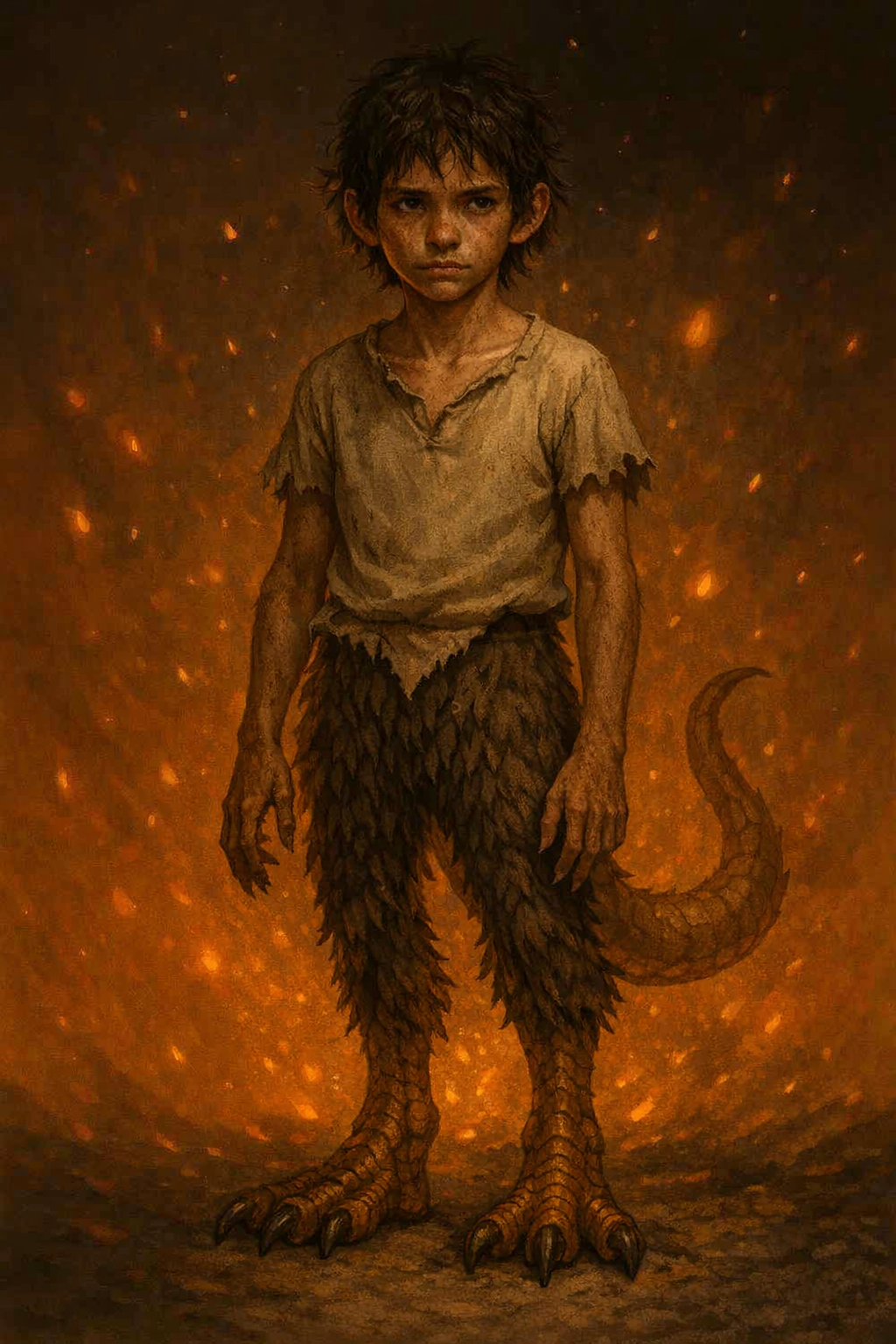
Role in the Story
Dimidium stands at the crossroads of worlds — not fully human, not fully other. He is a living boundary stone, a being whose very existence challenges the assumptions of Lapidius, the Embers, and the ancient powers that shaped the land. Dimidium’s presence in the narrative is catalytic: he reveals hidden truths, exposes buried loyalties, and forces the young cadets to confront what it means to belong.
He is not a weapon, though many try to use him. He is not a prophecy, though many try to name him. He is a question — what will happen with the answer.
Core Traits
Quietly perceptive: Dimidium sees what others miss — emotional fractures, spiritual echoes, hidden motives.
Gentle but unyielding: His softness is not weakness; it is a deliberate choice in a world of violence.
Burdened by duality: He carries two natures, two histories, two destinies — and neither side fully claims him.
Instinctively protective: Especially of those who treat him as more than a tool or anomaly.
Unpredictably powerful: His abilities manifest in ways even he doesn’t fully understand.
Lonely in a way no one else can be: He belongs everywhere and nowhere.
Symbolic Role
Dimidium represents the liminal — the space between what was and what will be. He is the embodiment of in‑between:
between human and other
between light and shadow
between destiny and choice
Where Zagos symbolizes corruption and Aldred symbolizes steadfastness, Dimidium symbolizes possibility. He is the hinge on which the story’s spiritual and mythic themes turn. His very existence challenges the rigid categories that both Lapidius and the Embers cling to.
He is the reminder that the world is larger, older, and more mysterious than either side understands.
Key Relationships
Logan: Logan treats Dimidium with respect, seeing him not as a curiosity but as a person. Dimidium trusts him deeply.
Maisie: She brings out Dimidium’s warmth and humor, helping him feel human in ways he rarely allows himself.
Joey: Joey’s courage and compassion inspire Dimidium, who sees in him a kind of bravery he cannot replicate.
Aldred: Aldred recognizes Dimidium’s significance and carries the weight of protecting him — and the world from misunderstanding him.
Zagos: Zagos sees Dimidium as a tool and hopes to use him against Aldred.
Nyoka: The serpent whispers that Dimidium is an abomination — and Dimidium feels the sting of that lie more deeply than he admits.
Notable Moment
“I am I a boy? Is it really that easy? JJust choose and then I am?”
This is Dimidium’s essence: a quiet declaration of identity in a world that wants to define him by his fractures.
A trusted friend and the others
Zagos
Role in the Story
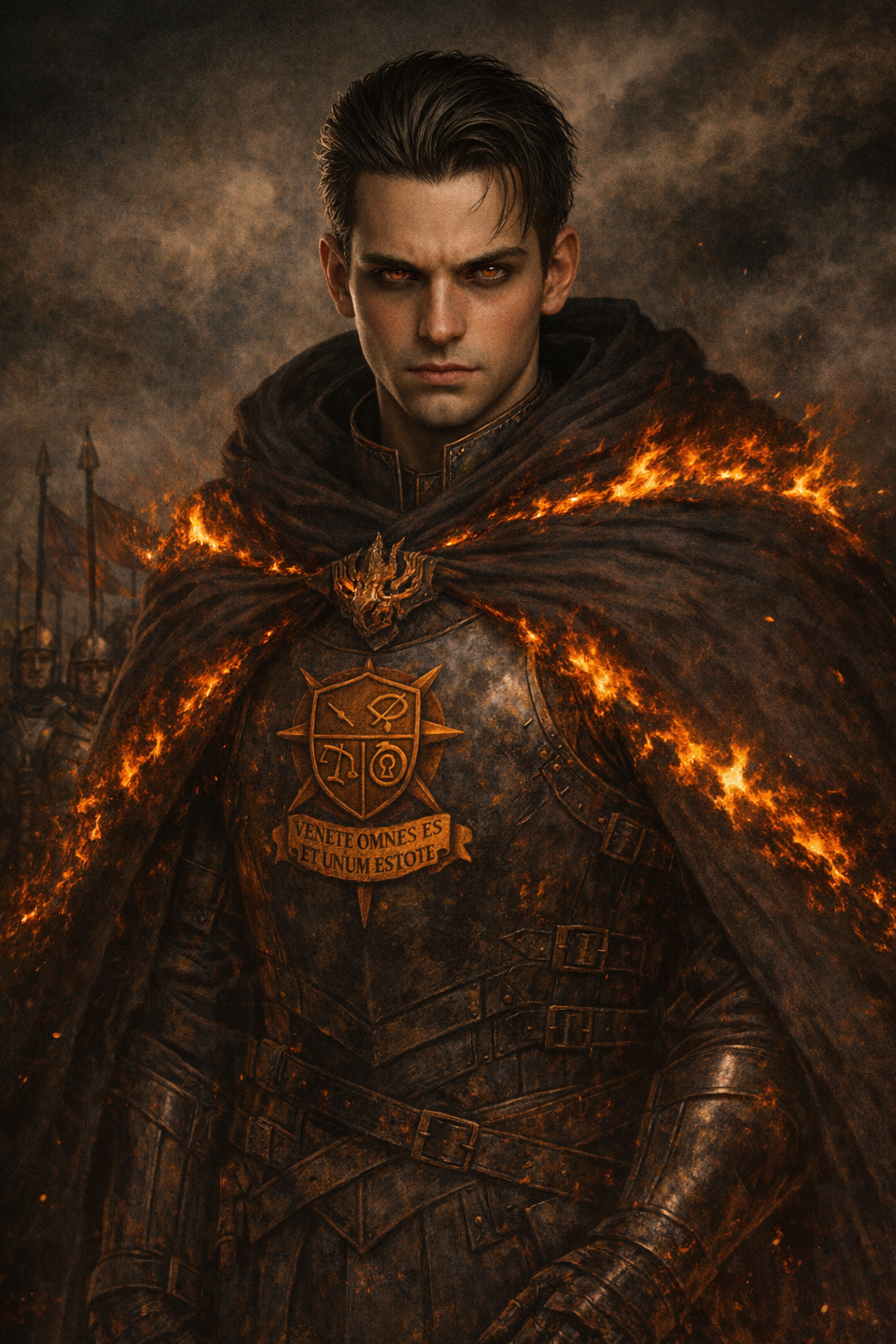
Zagos is the commander of the Salamander Unit and a rising force within the Ember faction. Once a promising leader with tactical brilliance and fierce loyalty, he becomes twisted by betrayal, pride, and the poisonous whispers of Nyoka. His arc is one of corruption—of a man who could have led with honor but instead chose domination. Zagos is the embodiment of what happens when strength is severed from truth.
Core Traits
Charismatic and commanding: Zagos inspires fierce loyalty from his officers and fear from his enemies.
Strategic genius: He sees the battlefield like a chessboard, always calculating, always moving.
Emotionally volatile: His pride is easily wounded, and his rage burns hot and fast.
Haunted by betrayal: He cannot forgive those he believes have wronged him, even when they haven’t.
Manipulated and manipulative: Nyoka’s forked tongue feeds his paranoia, and Zagos learns to whisper lies of his own.
Spiritually severed: He rejects the old ways, the Maker, and the Standing Stones—choosing Ember over light.
Symbolic Role
Zagos represents the fall of the prodigal commander—the one who had every gift but lost his way. He is the metaphorical mirror darkly: a reflection of Aldred, but twisted. Where Aldred sacrifices, Zagos hoards. Where Aldred forgives, Zagos condemns. His descent is not just personal—it is emblematic of a generation seduced by power and blinded to truth.
Key Relationships
Nyoka: His serpent-like advisor, the voice of poison. Nyoka feeds Zagos’s pride and paranoia, leading him deeper into darkness.
Basco: His loyal officer, torn between obedience and conscience. Basco’s fear and confusion mirror the reader’s own.
Aldred: His rival, his obsession, and the symbol of everything Zagos cannot control. Zagos’s hatred of Aldred is rooted in envy and wounded pride.
The Cadets of House Helvriien and Griffin Unit: Zagos sees them as traitors, thieves of his glory, and symbols of his failure.
Dupree: A shadowy figure who holds Zagos in debt, deepening his desperation and sense of injustice.
Notable Moment
“Darkness does not put out light; only light can put out darkness,” Zagos exclaimed, before falling again into Nyoka’s lies.
This moment captures the tragedy of Zagos: he knows the truth, but he cannot bear it. His pride will not let him kneel, and so he rises in fury instead.
Basco
Role in the Story
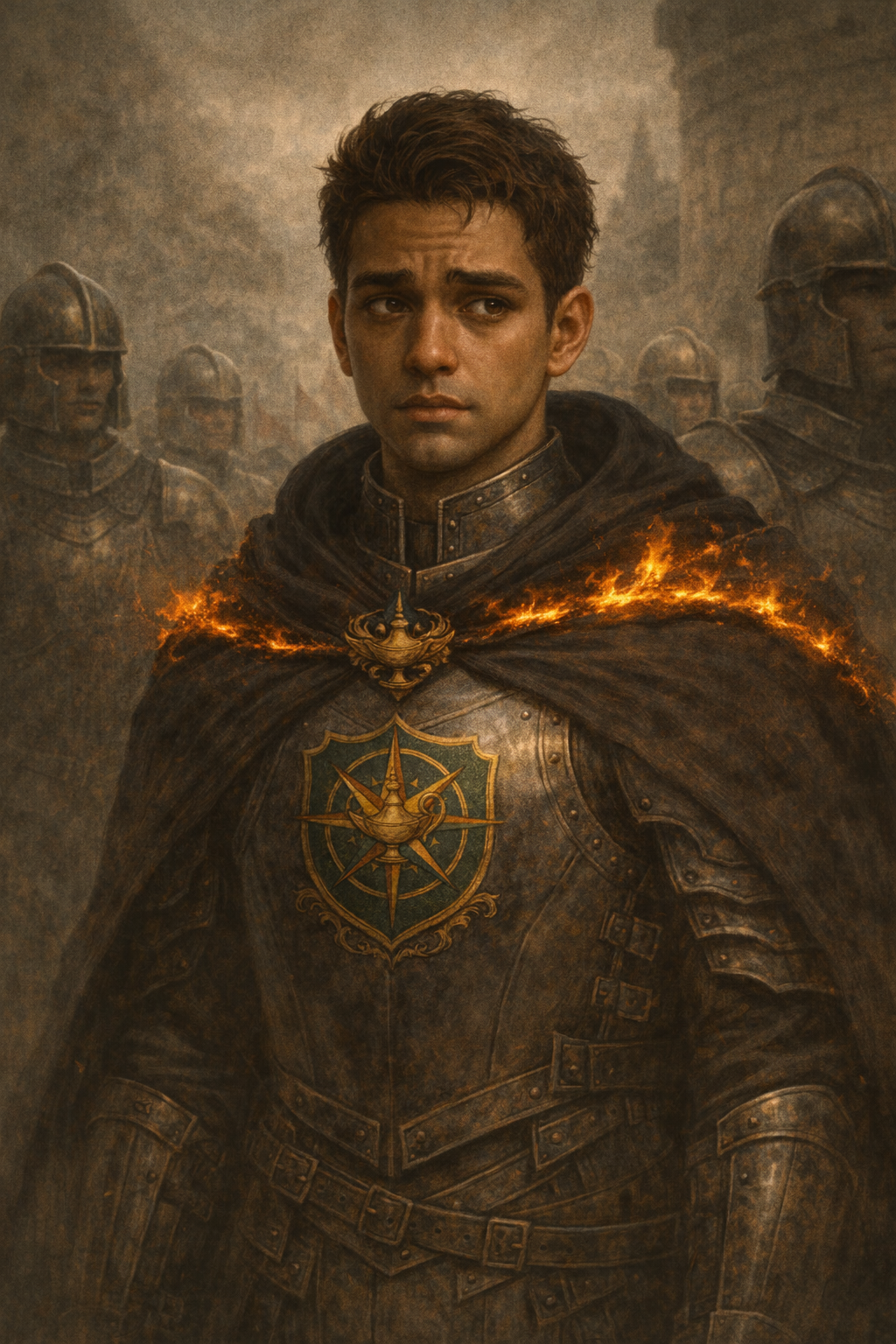
Basco is Zagos’s loyal subordinate, a mid-level officer in the Ember-aligned Salamander Unit. He is not evil, but he is complicit. His arc is one of awakening—slow, painful, and incomplete. Basco begins as a true believer, proud of his rank and his commander. But as Zagos descends into paranoia and cruelty, Basco begins to question everything. His fear, confusion, and flickers of conscience make him one of the most emotionally complex figures in the series.
Core Traits
Loyal but uneasy: Basco wants to believe in Zagos, but the cracks are growing.
Observant and intelligent: He sees more than he says, and that silence becomes its own burden.
Fearful of consequence: He knows what happens to those who speak out—and he’s not ready to be one of them.
Haunted by guilt: Every order he follows leaves a mark.
Drawn to light: He is quietly fascinated by Aldred’s cadets, especially Joey and Logan, sensing something he’s never known.
Capable of redemption: Though he stumbles, Basco’s heart is not lost.
Symbolic Role
Basco represents the conscience in chains—the man who knows the truth but cannot yet act on it. He is the metaphorical cracked mirror: reflecting Zagos’s ambition, but also showing what Zagos could have been if he had chosen humility. Basco’s journey is not about heroism—it’s about the slow, painful process of waking up. He is the reader’s window into the Ember machine, and the proof that even within darkness, the soul can stir.
Key Relationships
Zagos: His commander, his mentor, and the source of his deepest confusion. Basco admires Zagos but fears what he’s becoming.
Joey: Basco sees in Joey the courage he lacks. Their brief interactions are charged with tension and longing.
Logan: Basco is both threatened by and drawn to Logan’s quiet strength.
The Ember System: Basco is a cog in the machine, but he’s beginning to feel the grind.
Notable Moment
Basco stared at the cadet’s broken shield, then looked away. “I didn’t see anything,” he muttered. But he had. And it would haunt him.
This moment defines Basco: the man who sees, who knows, but who isn’t ready to speak. Yet.
The Emebers
Role in the Story
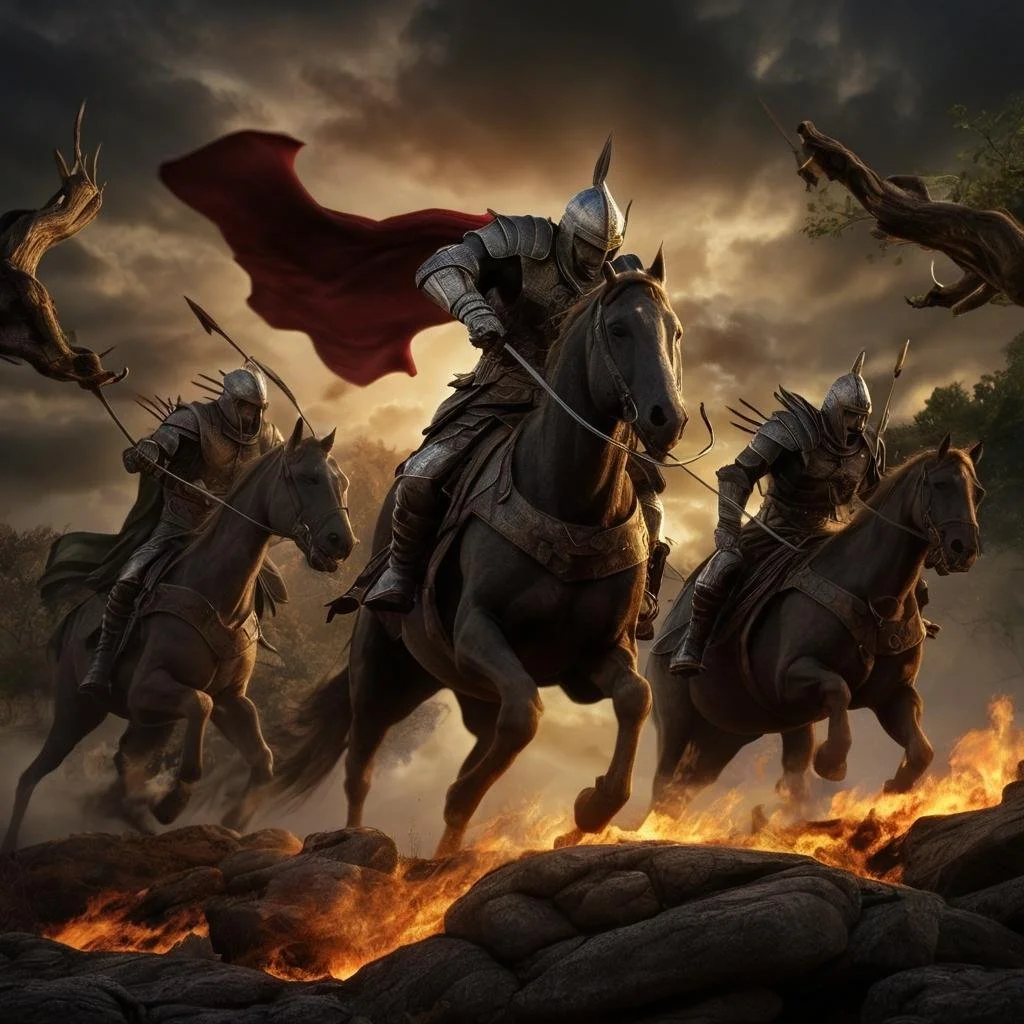
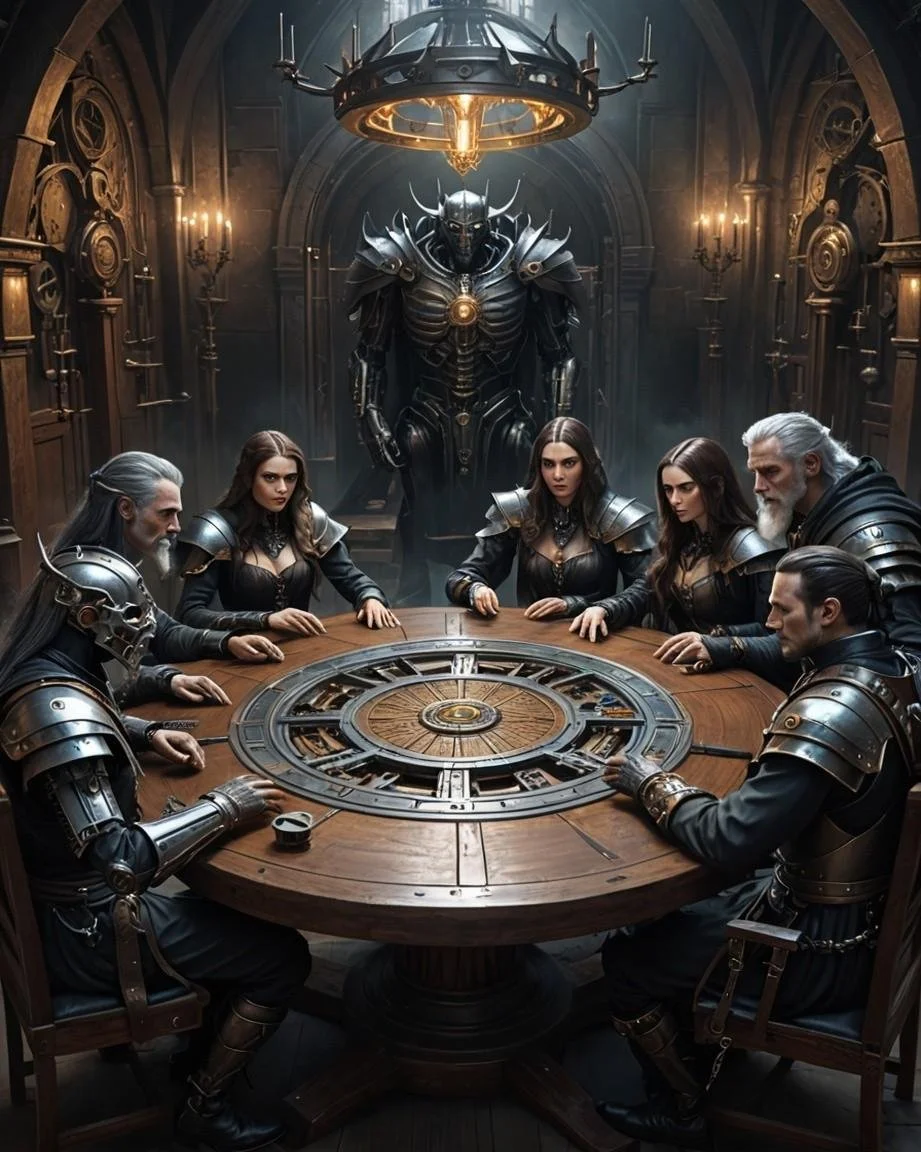
The Embers are not merely an enemy force; they are the consequence of a nation that surrendered truth for power. Once ordinary men and women of Novum Albion, they have become the iron fist of a rising tyranny—an army forged through fear, propaganda, and the slow erosion of conscience. Their presence in the story is overwhelming, oppressive, and symbolic: they are what happens when a people lose their way.
They are the storm pressing against Lapidius, the shadow that forces Joey, Logan, Maisie, and the others to rise.
Core Traits
Uniform obedience: The Embers follow orders without question, their individuality burned away.
Cold efficiency: They fight with precision, discipline, and overwhelming numbers.
Ideological blindness: They believe they are restoring order, even as they destroy it.
Fear-driven loyalty: Many serve because they are afraid not to.
Corrupted honor: They still speak of duty and glory, but the meaning has been hollowed out.
Inhuman reinforcements: Monsters—twisted creatures bred or bound to Ember command—march within their ranks.
Symbolic Role
The Embers represent the death of memory—a people who have forgotten who they were and now burn what they once protected. They are the metaphorical scorched earth: a force that consumes history, identity, and hope. Where Lapidius stands for renewal and ancient truth, the Embers stand for erasure and domination.
They are also a warning: that evil rarely begins with monsters, but with ordinary people who stop asking questions.
Internal Structure
Zagos – The commander whose pride fuels the machine.
Basco – The conscience trapped inside the gears.
Salamander Unit – Elite shock troops, feared for their brutality.
Standard Ember Infantry – Armored soldiers trained to overwhelm through numbers and discipline.
Beast‑Units – Monstrous creatures bound to Ember command, used to break lines and terrify opponents.
Nyoka’s Influence – The whispering serpent behind the scenes, feeding paranoia and ambition.
Key Relationships
Lapidius: The Embers see Lapidius as a threat to their control—a place where truth still breathes.
Aldred: A symbol of everything they cannot control. His defiance enrages them.
The Cadets: They view Joey, Logan, and the others as traitors, rebels, and dangerous symbols of hope.
Zagos: Their commander, both feared and admired. His instability trickles down into the ranks.
Dupree: A shadowy figure whose influence shapes Ember strategy and corruption.
Notable Moment
When the Embers marched on the old monuments, they did not shout. They moved in silence—like a people who had forgotten how to feel.
This moment captures their essence: not fiery rage, but cold, hollow obedience.